Latest videos
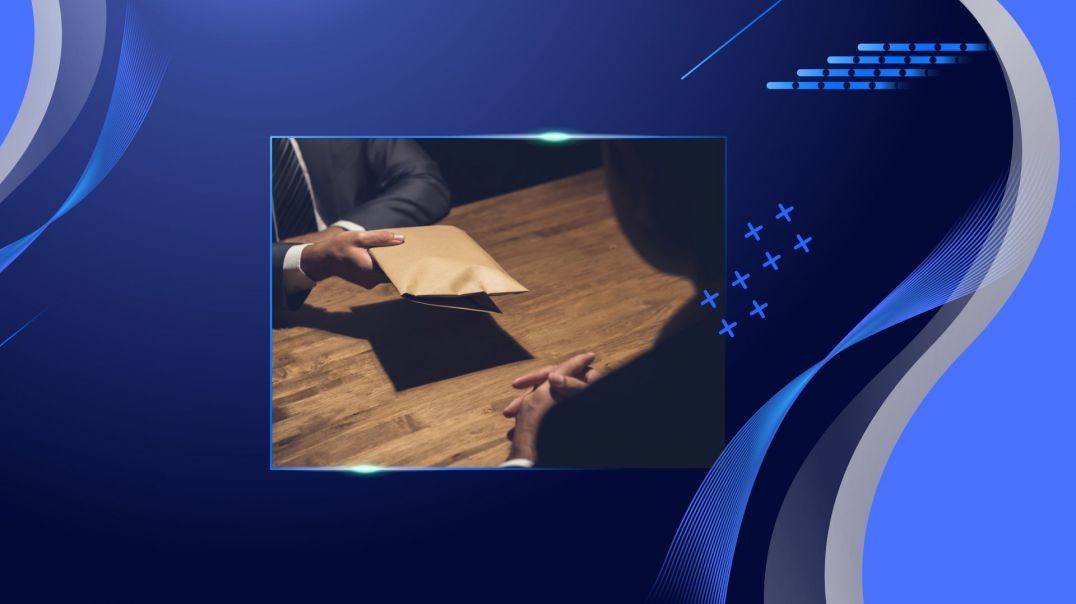
Despite all of the recent safety measures and publicity, money wiring scams rob many victims of hundreds of thousands, perhaps even millions, per year. But despite the money wiring scam's notoriety, their success solely hinges on one single factor: the willingness of the victims to entrust money, usually unclaimed, to somebody they do not know. This makes wiring money scams quite easy to execute, and even easier to conceal. In order to avoid detection, money wiring typically involves the following practices: the transfer of large sums of money from one bank or financial institution to another, typically through the mail. This way, any evidence of money wiring can be easily wiped out.

Scams are everywhere, but some are more obvious than others. If you're ever faced with the possibility of paying money for an airfare or a rental car, you need to be able to recognize a scam. There are some common scammers that are out there and it can make it difficult for you to know if you are being scammed or not. Luckily, we will be going over some of the most common ways that people try to scam you and what to do to avoid falling victim to them.

Hackers are constantly trying to find new ways to break into our email accounts and make it available for them to download and infect our computers. We all know that if you have a Gmail account, Hotmail account or Yahoo account online, you need to make sure that you change the passwords often, especially when you use those online for the bank, credit card and other important accounts you use. Also, we are all advised to make sure that we never write down our passwords on paper or in a notebook, so even if the passwords don't get stolen and accessed, the hackers have the ability to do it right away by getting hold of your log files and account information. These things happen every day and it only takes a little time to recover our email accounts and the havoc they can cause.
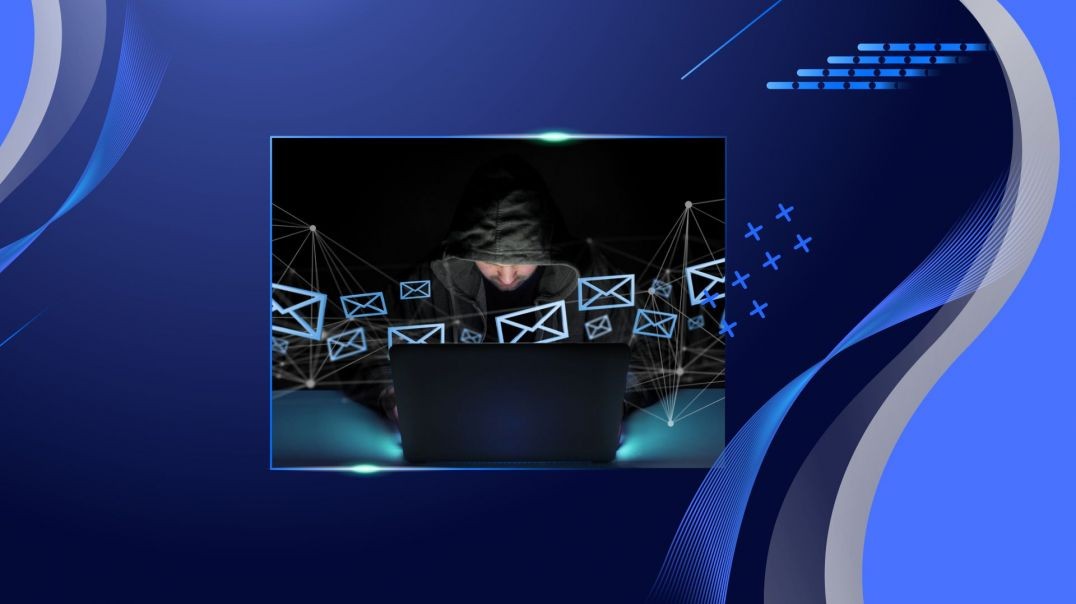
Protecting your identity is one of the most important things you can do for yourself, as well as for your family. There are a number of ways that people can be victimized by identity thieves and not even know about it. For example, your purse or wallet can be taken and used to take out cash, check accounts, and other personal information. If you are careful to protect your personal information with passwords and security devices at work and at home, but are careless to save it in a public place such as your computer or your purse, you can end up being the next victim of identity theft.

Family Emergency Imposters is one of the most common types of scams that prey upon
vulnerable people. In order to protect themselves and their families, many
people fall for imposters that pose as real emergency responders or those who
claim to have a medical condition that requires large sums of money in order to
pay off promptly. The Internet makes it possible to research legitimate
emergency services, so it is important to be aware of any contacts that seem to
sound too good to be true. A simple search of a company's name should provide
enough information for you to make an informed decision on whether to proceed
with a meeting or not. You may also want to check the Better Business Bureau
and other consumer protection organizations for signs of possible scam
companies.